
Named & measured

Seven key ingredients

Listed individually on the Supplement Facts panel with exact amounts per 3-softgel serving.

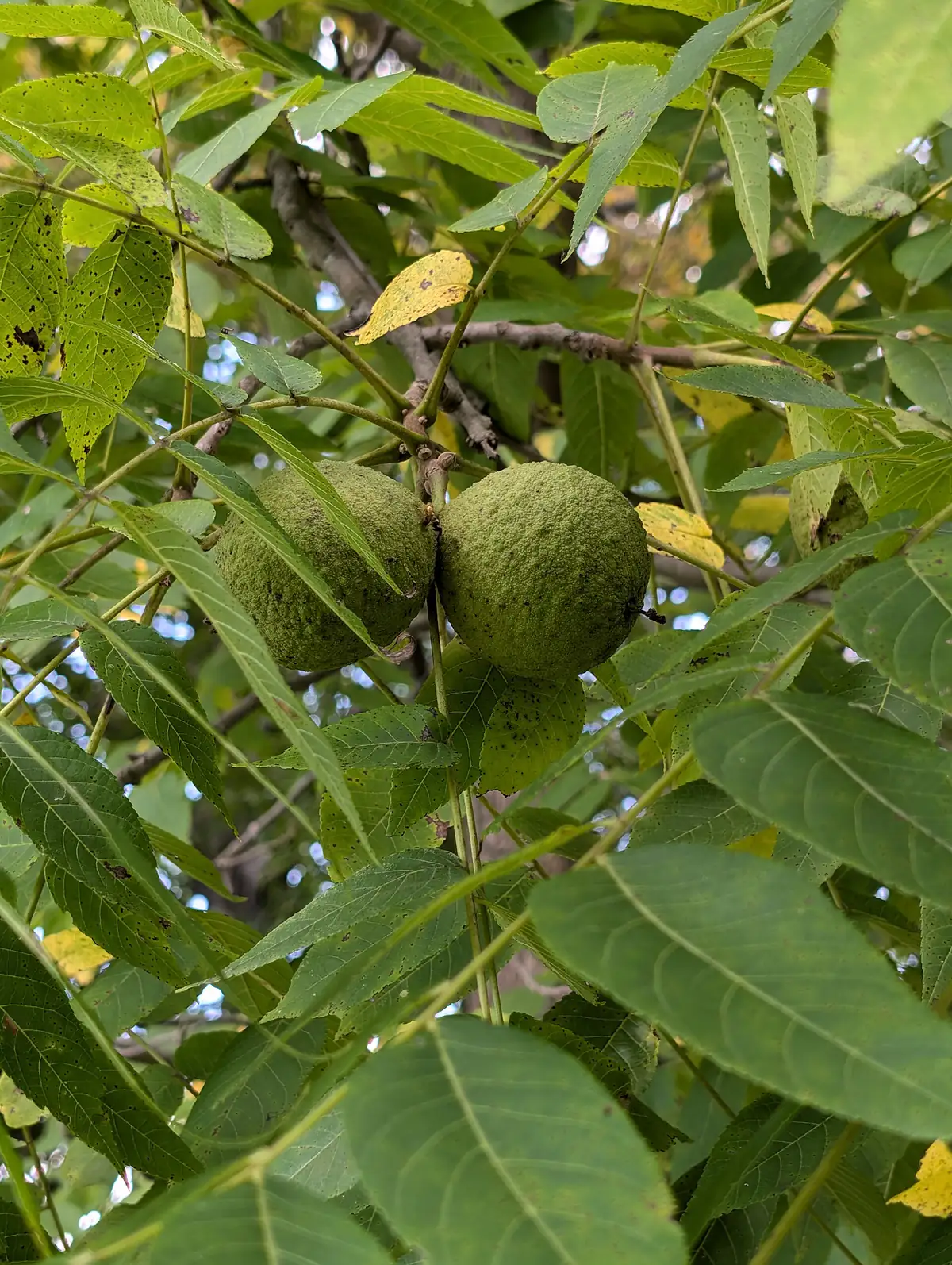
Black walnuts in their round green hulls on the treeNinjaRobotPirate · source · CC BY 4.0

Black Walnut

Juglans nigra

Hull100 mg extract

Background

Black walnut is a hardwood tree native to eastern North America. The green-to-black outer hulls of its nuts have a long history in traditional North American herbal practice, and the same hulls were used for generations as a natural brown dye.

What research has looked at

The hulls are rich in naturally occurring plant compounds, including tannins and other polyphenols, plus a compound called juglone. Researchers have characterized these compounds in laboratory and botanical studies. In LIVASSA, black walnut hull is one of three signature botanicals chosen to help support healthy digestion.*

Note: Contains tree nuts (black walnut).

Sources: PubMed: review literature on Juglans nigra · NIH ODS: Dietary Supplements — What You Need to Know
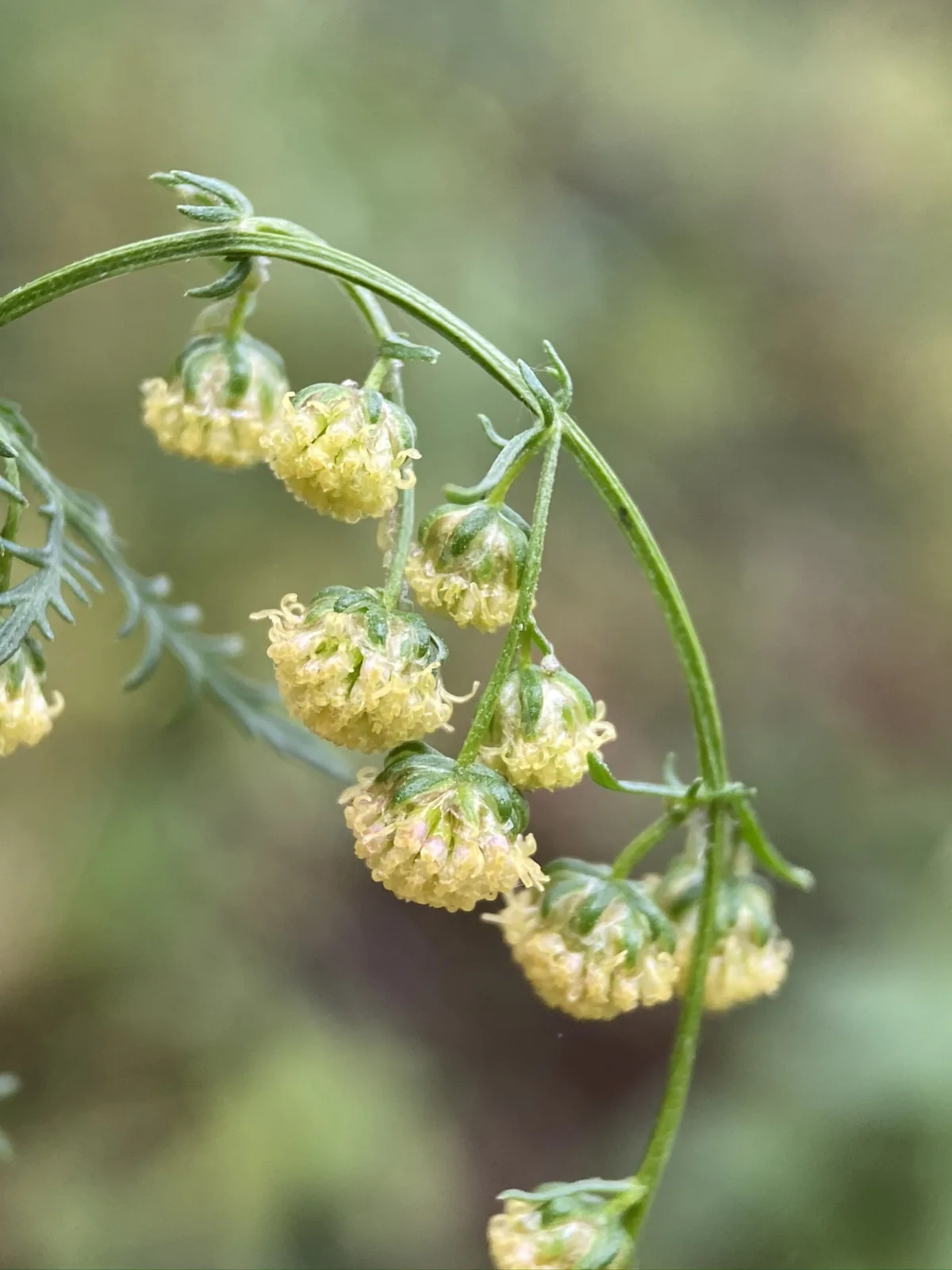
Sweet wormwood (Artemisia annua) stems with tiny yellow-green flower headsMatt Berger · source · CC BY 4.0

Sweet Wormwood

Artemisia annua

Aerial parts (leaves, stems, flowers)100 mg extract

Background

Sweet wormwood is a fragrant annual herb of the daisy family (Asteraceae). Known as qinghao, it has been recorded in traditional Chinese herbal texts for well over a thousand years. Like many bitter herbs, the wormwood family has also long been used in traditional European aperitifs and digestive bitters taken around meals.

What research has looked at

Sweet wormwood contains sesquiterpene lactones, flavonoids and aromatic essential oils, and it is one of the most intensively studied plants in modern phytochemistry. Bitter-tasting herbs are traditionally valued for the way they engage the body’s normal digestive responses at mealtime.*

Note: Daisy (Asteraceae) family plant — do not use if allergic to daisy-family plants.

Sources: PubMed: review literature on Artemisia annua · NCCIH: Know the Science — using dietary supplements wisely

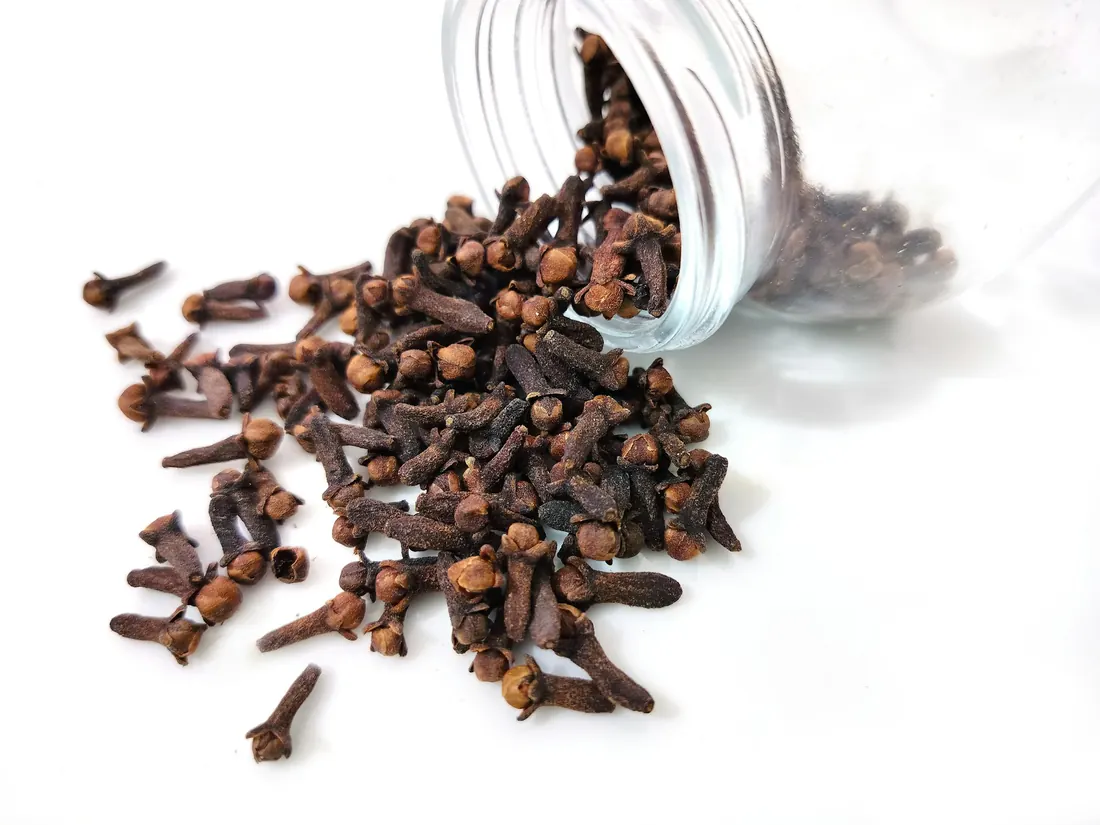
Whole dried clove buds spilling from a glass jar

Clove

Syzygium aromaticum

Flower bud50 mg extract

Background

Cloves are the dried flower buds of an evergreen tree first cultivated in the Maluku (Spice) Islands of Indonesia. Prized in the ancient spice trade, clove remains a warming kitchen spice around the world and a classic ingredient in traditional digestive spice blends.

What research has looked at

Clove is one of the richest culinary sources of eugenol, an aromatic compound that gives the spice its distinctive scent. Laboratory studies have measured clove’s very high antioxidant capacity among common spices. Warming spices like clove are traditionally used to support comfortable, healthy digestion.*

Sources: PubMed: review literature on clove (Syzygium aromaticum) and eugenol

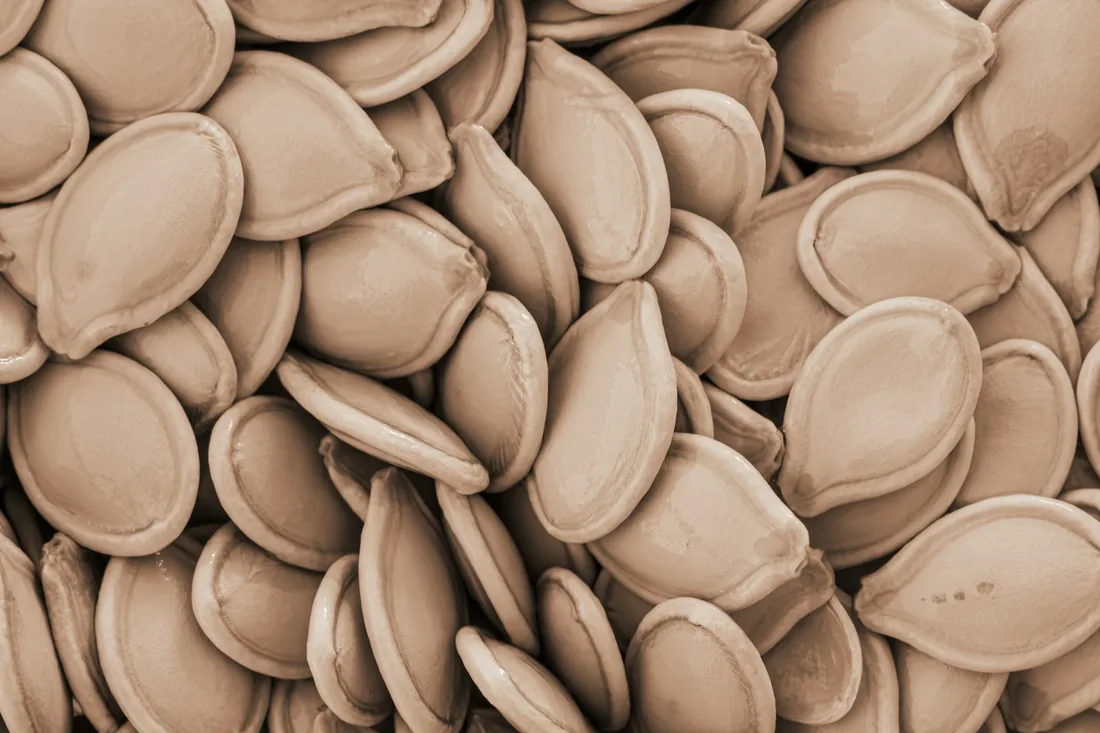
A close-up of creamy pumpkin seeds

Pumpkin Seed

Cucurbita pepo

Seed50 mg extract

Background

Pumpkins and squashes were domesticated in the Americas thousands of years ago, and their seeds (pepitas) have been a nourishing food in Mesoamerican and Indigenous North American cuisines ever since.

What research has looked at

Whole pumpkin seeds naturally provide protein, healthy fats, minerals such as magnesium and zinc, plant sterols, and a unique amino acid called cucurbitin. Researchers continue to study the nutrient and phytochemical profile of pumpkin seed.*

Sources: USDA FoodData Central (nutrient data for pumpkin seeds) · PubMed: review literature on Cucurbita pepo seed

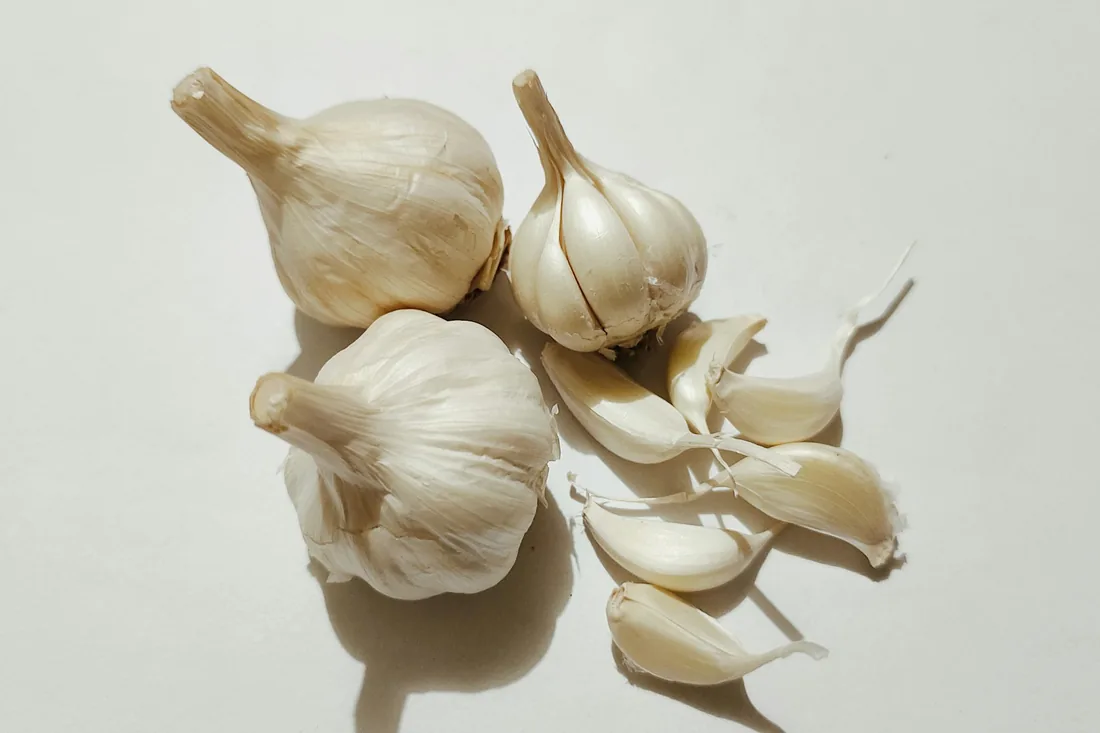
Garlic bulbs and cloves on a pale stone surface

Garlic

Allium sativum

Bulb70 mg extract

Background

Garlic has been cultivated for more than 5,000 years and is used in nearly every cuisine on earth. Ancient Egyptian, Greek, Indian and Chinese traditions all valued garlic as both food and a wellness herb.

What research has looked at

When garlic is crushed it produces allicin and other sulfur-containing compounds responsible for its aroma. Garlic is one of the most widely researched herbs; the NIH’s National Center for Complementary and Integrative Health summarizes what is known about its general use and safety.*

Note: Garlic may interact with blood-thinning medication — consult your doctor.

Sources: NCCIH: Garlic · PubMed: review literature on Allium sativum

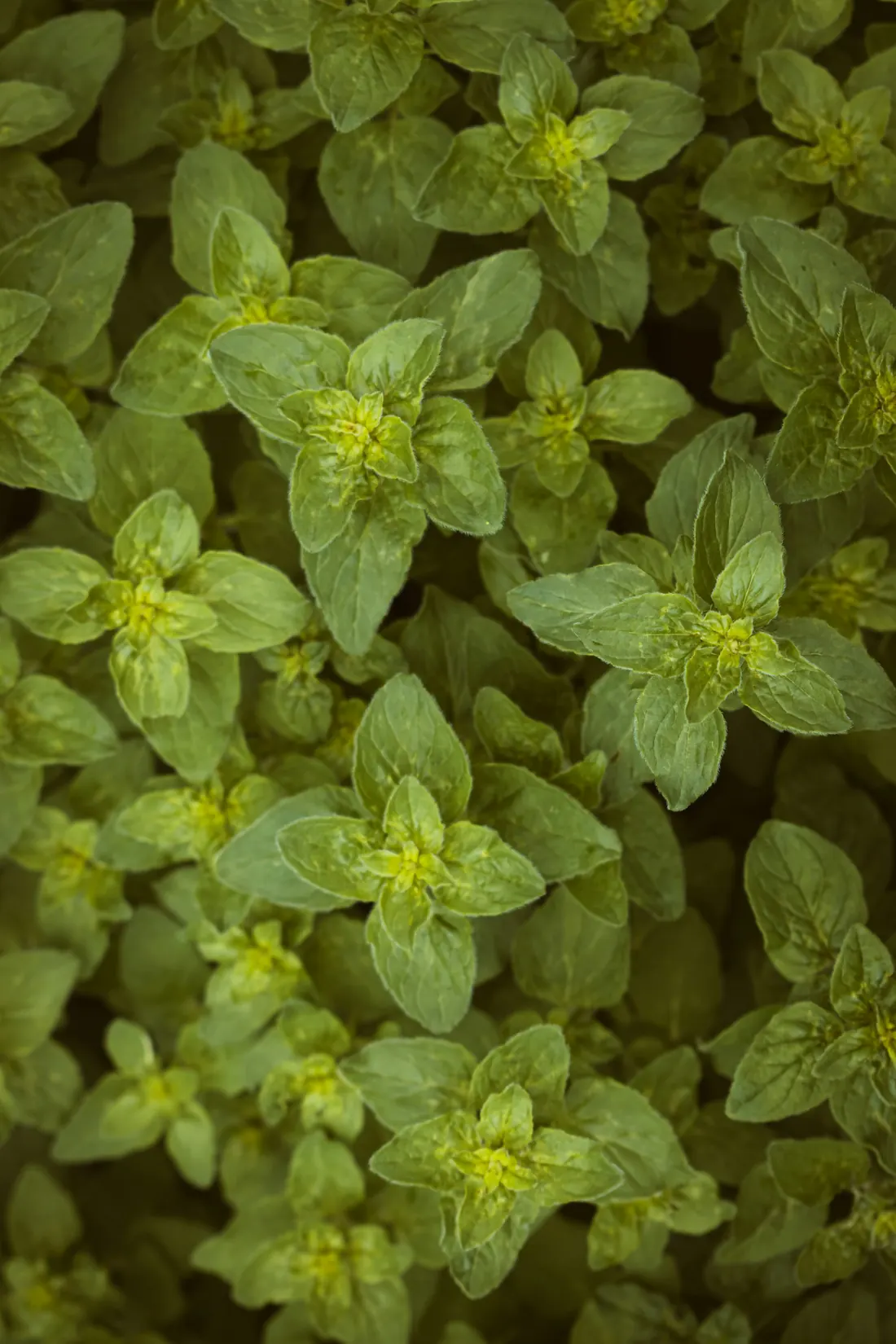
Close-up of fresh green herb leaves

Oregano

Origanum vulgare

Leaf50 mg extract

Background

Oregano is a hardy Mediterranean herb of the mint family. Its name comes from Greek words meaning “joy of the mountains,” and it has been used in Mediterranean cooking and traditional herbalism since antiquity.

What research has looked at

Oregano leaf contains aromatic compounds such as carvacrol and thymol, along with rosmarinic acid and other polyphenols. These compounds have been widely examined in laboratory research for their antioxidant activity.*

Sources: PubMed: review literature on Origanum vulgare

Fine white powder poured from a spoon into a ceramic cup (illustrative)

L-Glutamine

Amino acid

Free-form amino acid10 mg

Background

Glutamine is the most abundant free amino acid in the human body. It is found naturally in protein-rich foods such as beans, eggs, dairy and leafy greens.

What research has looked at

The body makes glutamine on its own and also obtains it from everyday foods. LIVASSA provides 10 mg of L-glutamine per 3-softgel serving, a small amount that rounds out the formula.

Sources: MedlinePlus: Amino acids

Proprietary blend · 100 mg

Eleven supporting botanicals

A blend of traditional herbs, spices and fruits that rounds out the formula.

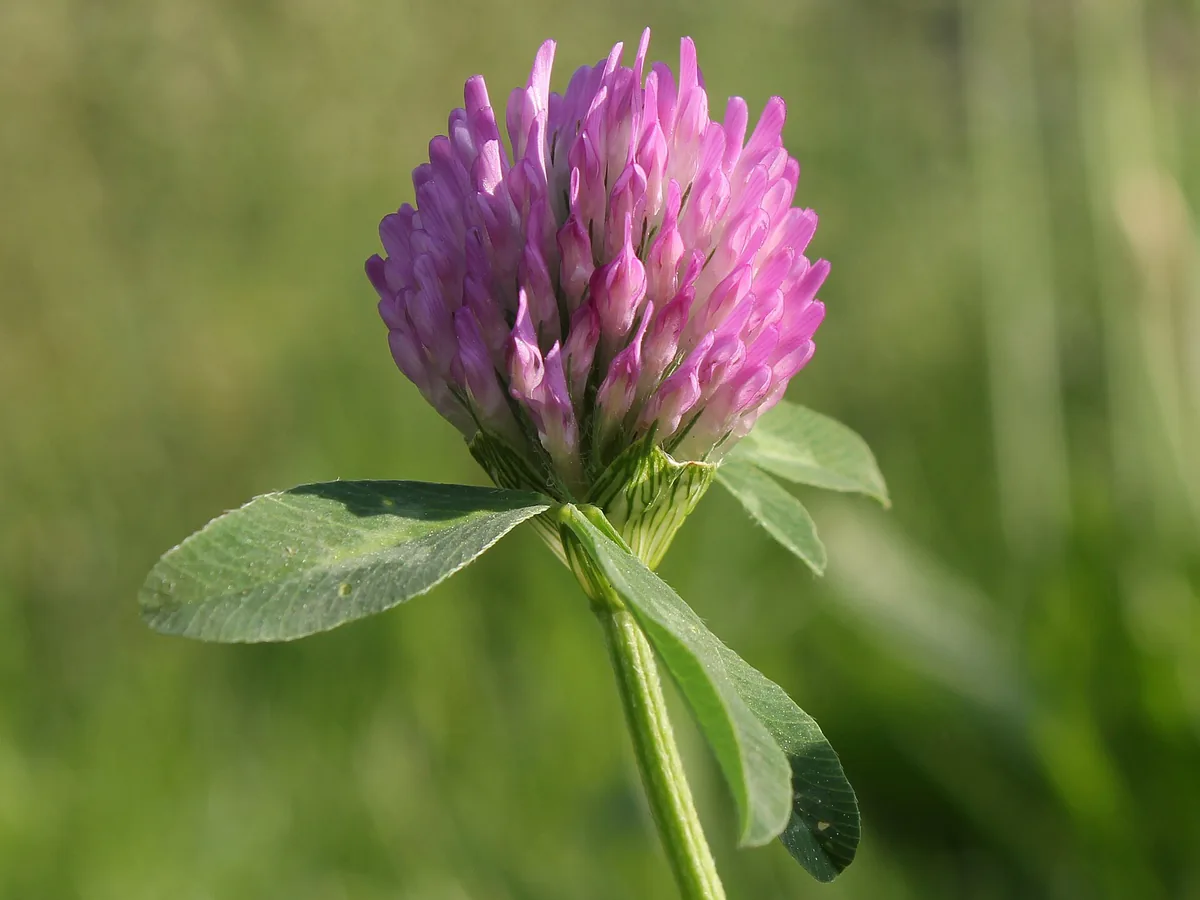
Red clover flower heads in a meadowGeorge Chernilevsky · source · Public domain

Red Clover

Trifolium pratense · Flower

A meadow legume whose purple blossoms have been steeped as a traditional herbal tea. Contains naturally occurring isoflavones.

Sources: NCCIH: Red Clover

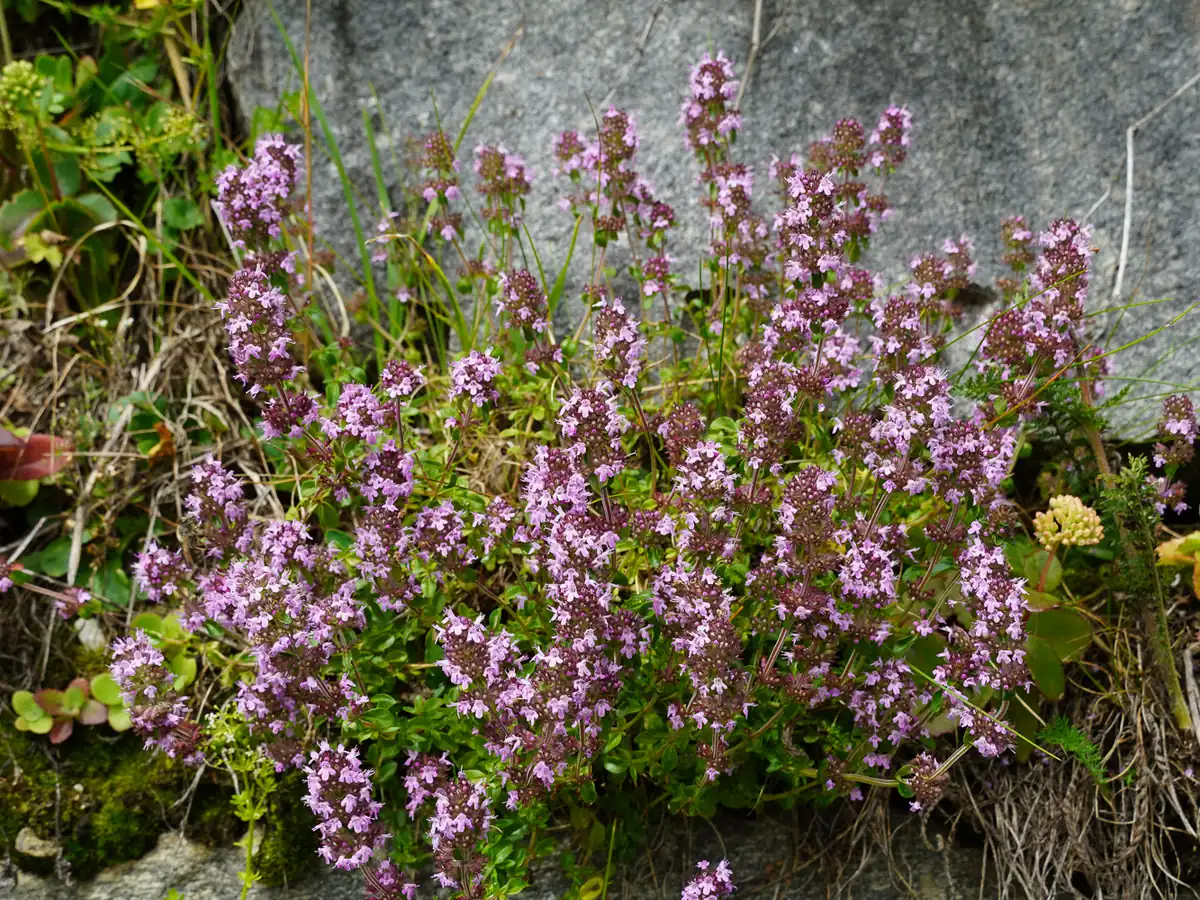
Flowering thyme growing among rocksNaturpuur · source · CC BY 4.0

Thyme

Thymus vulgaris · Leaf

A Mediterranean culinary herb, close cousin of oregano, valued for its aromatic thymol. Traditionally added to rich dishes to aid digestion.*

Sources: PubMed reviews: Thymus vulgaris

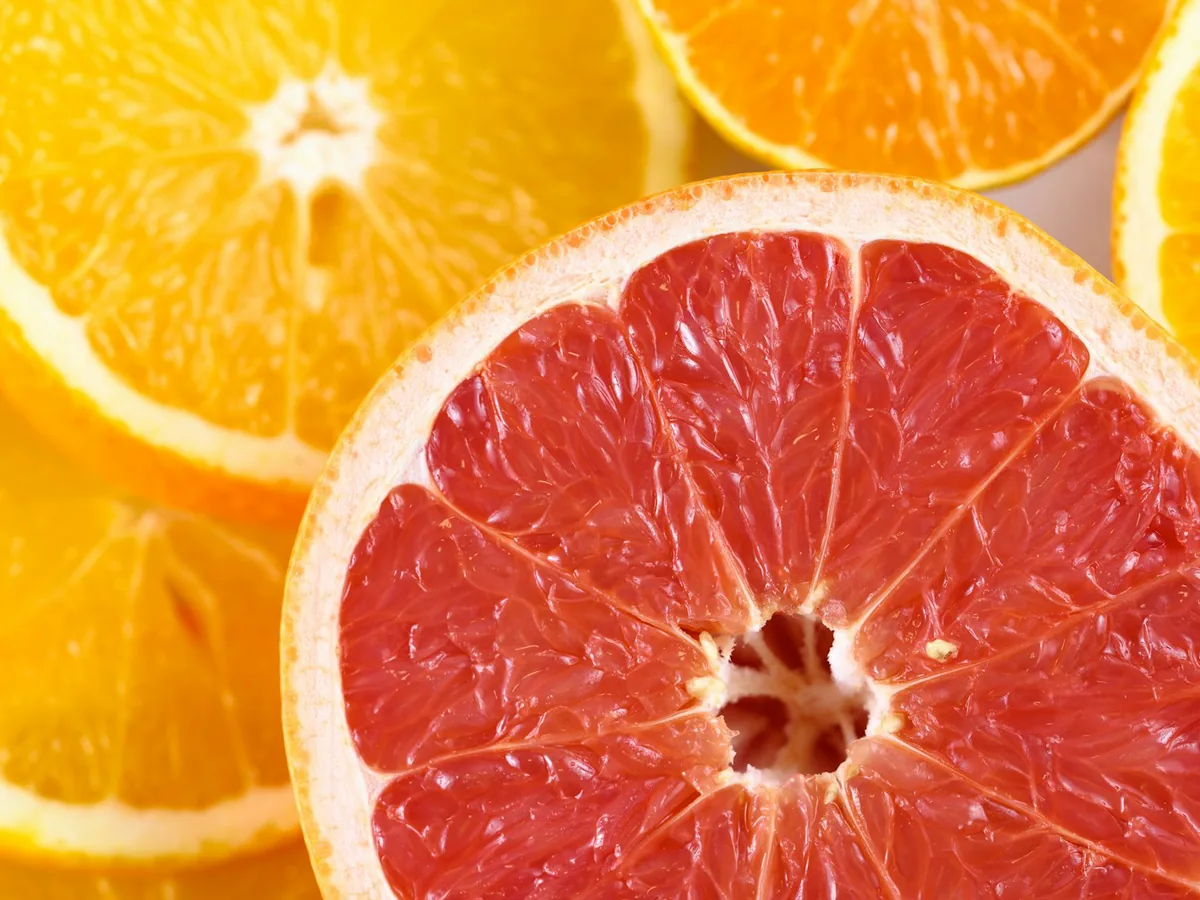
A pink grapefruit cut in half

Grapefruit Seed

Citrus paradisi · Seed (20:1 extract)

Extract of the seeds and pulp of grapefruit, a natural source of citrus flavonoids such as naringenin.

Sources: PubMed reviews: Citrus paradisi seed

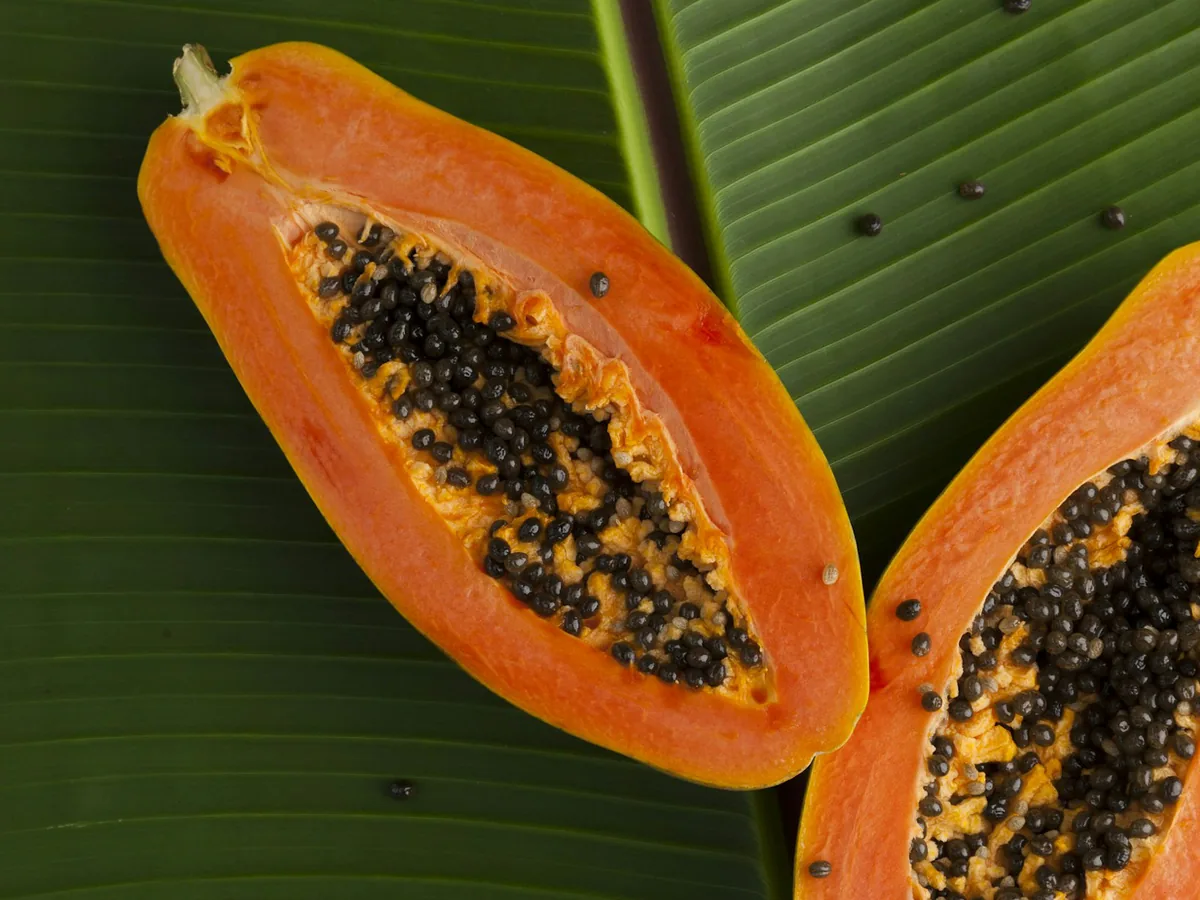
Halved papaya with dark seeds on a banana leaf

Papaya

Carica papaya · Fruit

A tropical fruit naturally containing papain, a protein-digesting enzyme long used as a kitchen meat tenderizer. Papaya has traditionally been enjoyed after meals to support healthy digestion.*

Sources: PubMed reviews: Carica papaya fruit

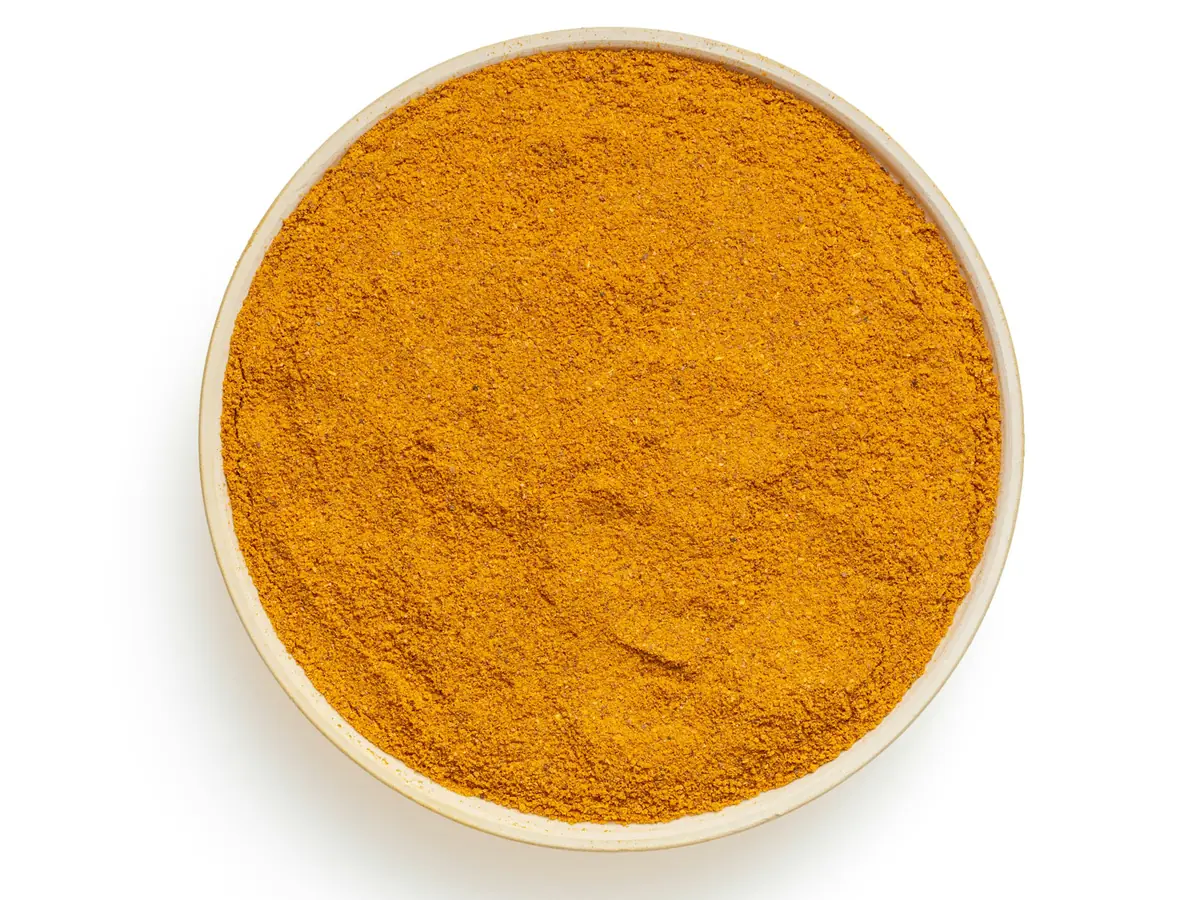
Golden turmeric powder in a white ceramic bowl

Turmeric

Curcuma longa · Root (30:1 extract)

The golden root of Indian cuisine and Ayurveda, source of curcuminoids. One of the most-studied botanicals worldwide.*

Sources: NCCIH: Turmeric

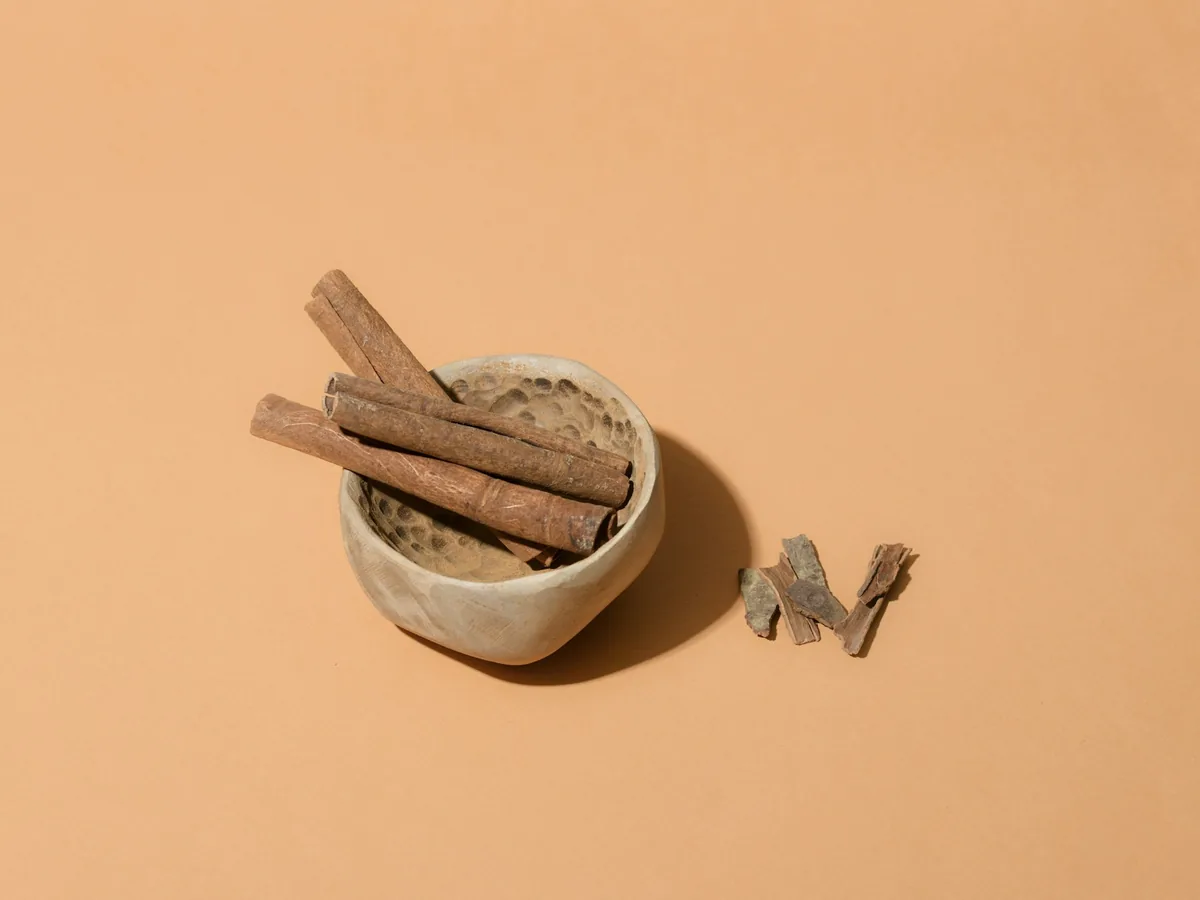
Cinnamon sticks in a small ceramic dish on a warm beige backdrop

Cinnamon

Cinnamomum cassia · Bark

Cassia cinnamon is a warming bark spice used in traditional Chinese herbal practice and kitchens everywhere; its aroma comes from cinnamaldehyde.

Sources: NCCIH: Cinnamon

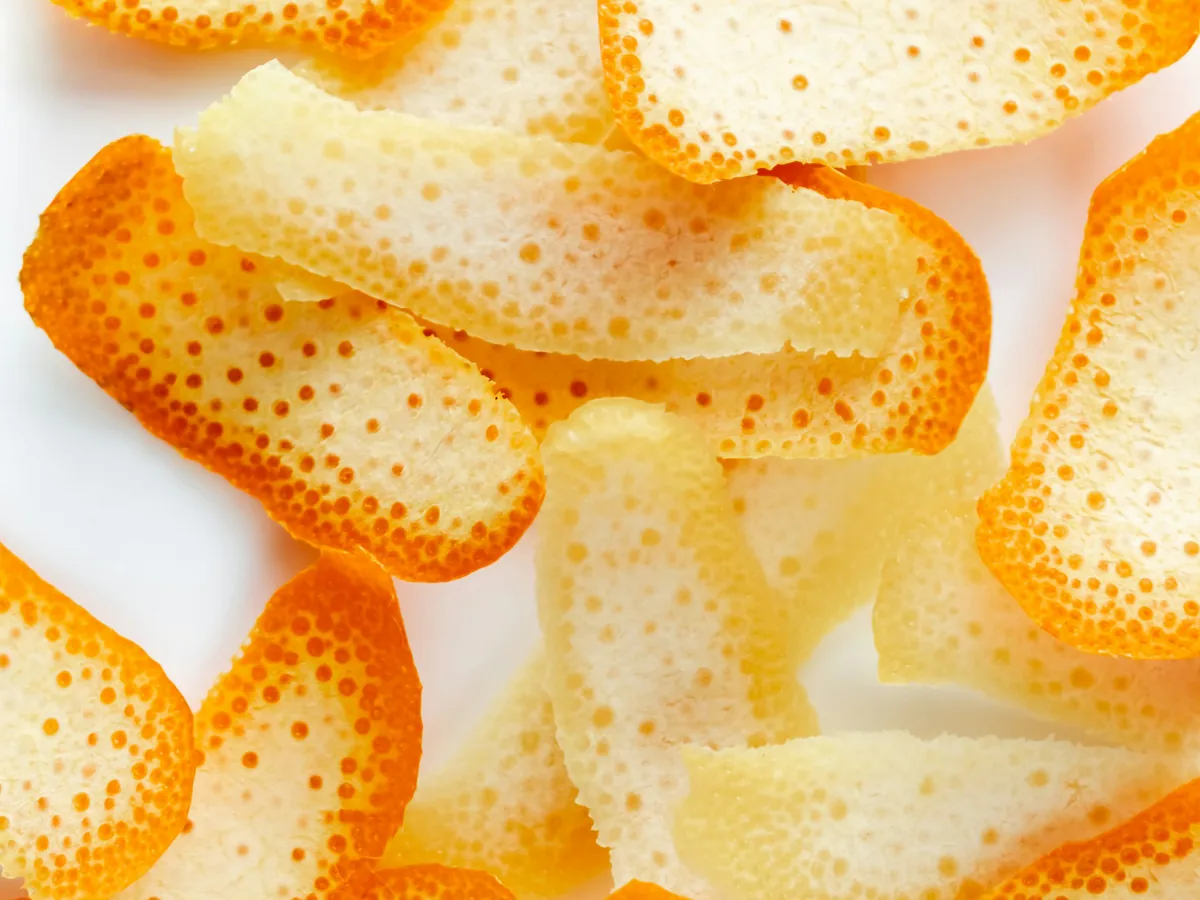
Curls of fresh citrus peel on white

Citrus Peel

Citrus reticulata · Peel

Aged mandarin peel (chen pi) is a classic of traditional Chinese herbal practice for supporting digestion*, and a source of the flavonoid hesperidin.

Sources: PubMed reviews: Citrus reticulata peel

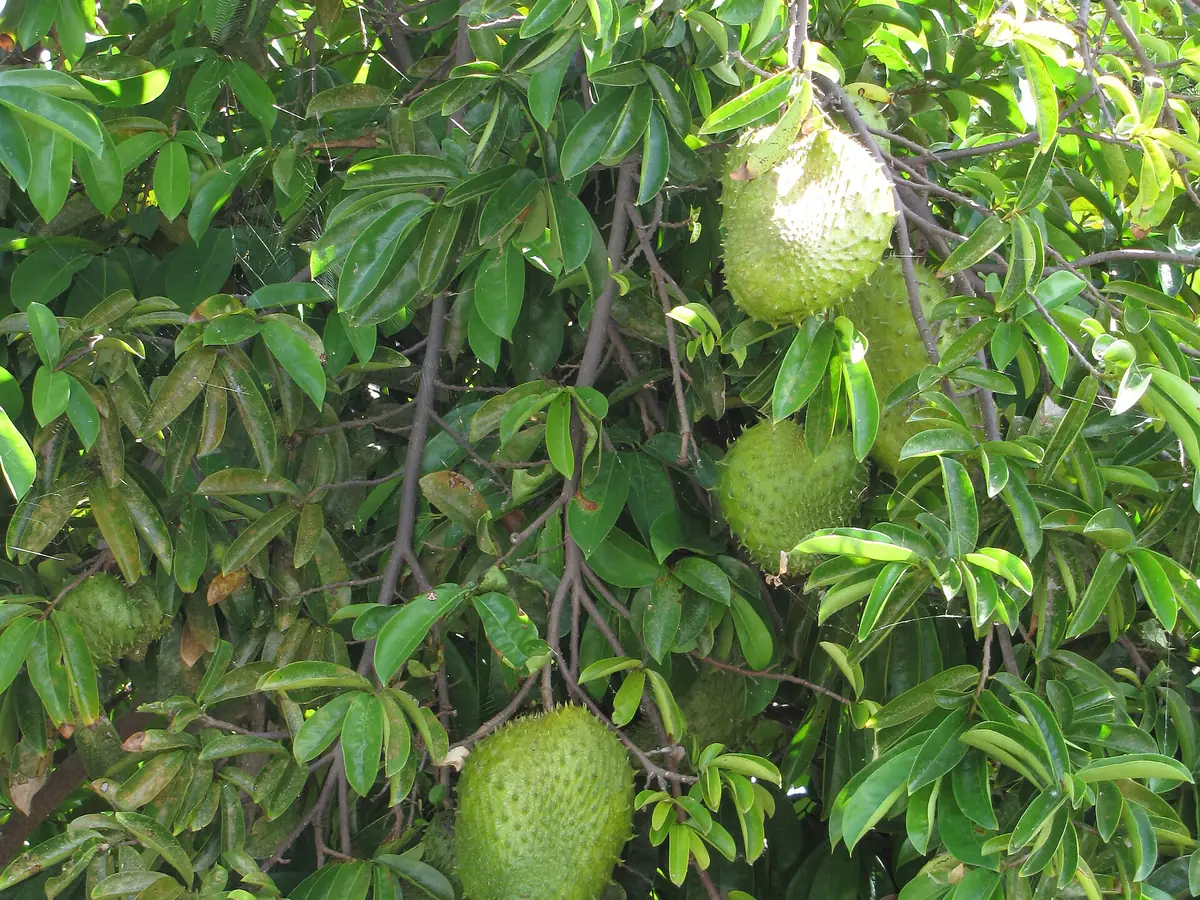
Graviola (soursop) tree with glossy leaves and green fruitForest & Kim Starr · source · CC BY 3.0 US

Graviola

Annona muricata · Leaf

A tropical evergreen of the Caribbean and South America whose leaves are brewed as a traditional tea. Researchers have catalogued many of its naturally occurring plant compounds.

Sources: PubMed reviews: Annona muricata

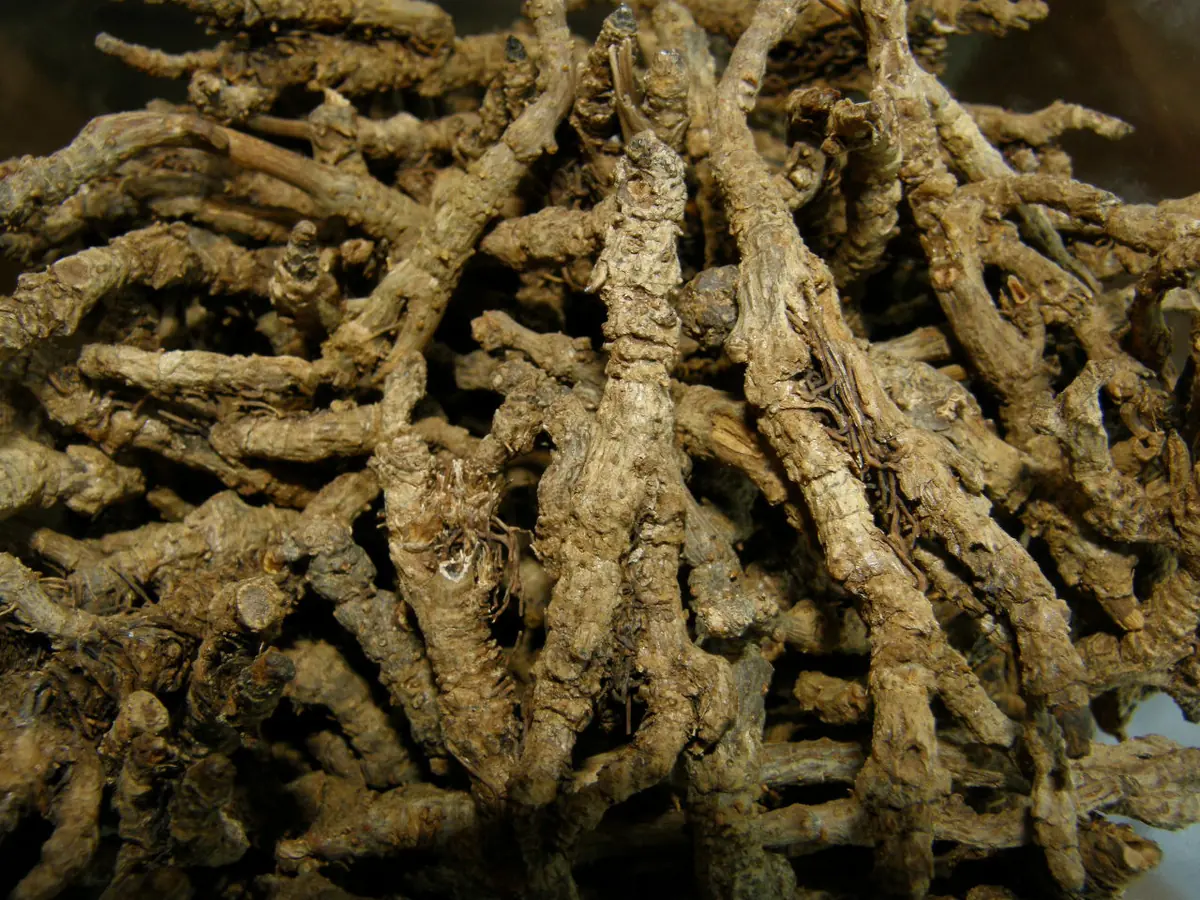
Dried golden-brown coptis rhizomes松岡明芳 (Akiyoshi Matsuoka) · source · CC BY-SA 3.0

Coptis

Coptis chinensis · Rhizome (source of berberine)

Known as huang lian, this intensely bitter golden rhizome is a staple of traditional Chinese herbal practice and a natural source of the yellow alkaloid berberine.

Sources: PubMed reviews: Coptis chinensis

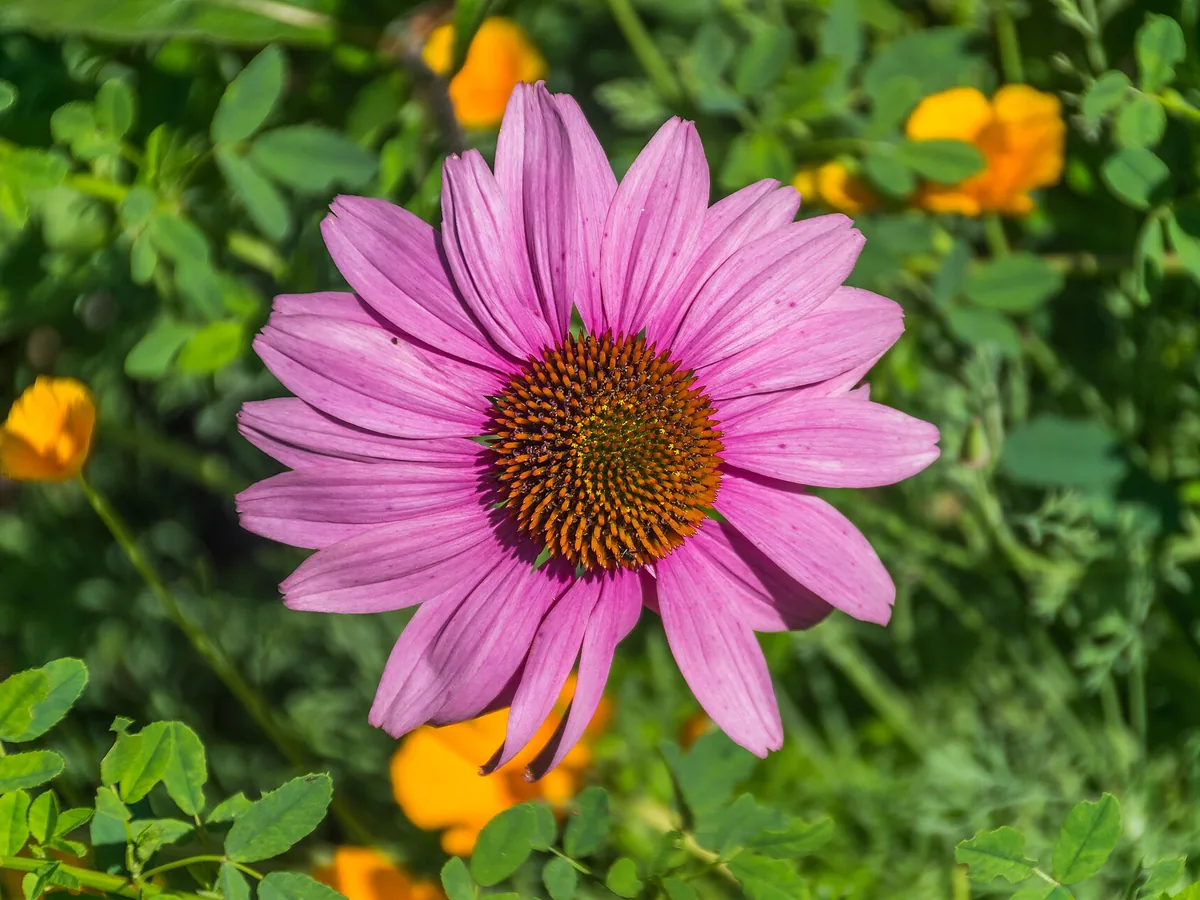
A purple coneflower in bloomKrzysztof Golik · source · CC BY-SA 4.0

Echinacea

Echinacea purpurea · Aerial parts

Purple coneflower is a North American daisy-family plant, traditionally used by Plains Indigenous peoples and one of the best-known herbs in the U.S.

Sources: NCCIH: Echinacea

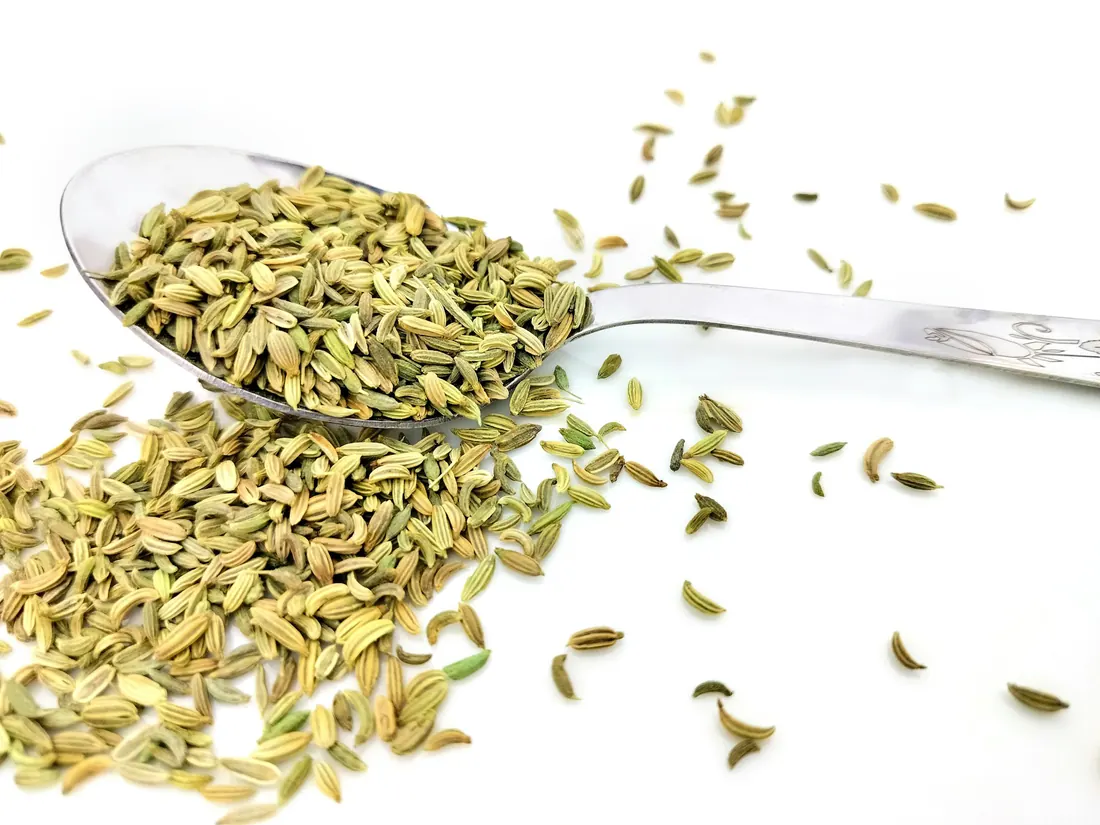
Fennel seeds spilling from a spoon

Fennel

Foeniculum vulgare · Seed

Sweet, anise-scented fennel seeds are chewed after meals across India and the Mediterranean, a time-honored way to support healthy digestion.* Rich in anethole.

Sources: PubMed reviews: Foeniculum vulgare

Important

Do not use if pregnant or nursing. Consult your doctor before use if you have a medical condition, take medication, or plan surgery. Do not use if allergic to tree nuts or daisy-family plants. Stop use if any reaction occurs. Keep out of reach of children. Do not use if seal is broken. Store in a cool, dry place. Contains tree nuts (black walnut). Sweet wormwood and echinacea are daisy-family (Asteraceae) plants.

Ingredient descriptions summarize traditional use and general scientific literature about each botanical; they describe the ingredient, not the effects of this product. Photos are illustrative. *These statements have not been evaluated by the Food and Drug Administration. This product is not intended to diagnose, treat, cure, or prevent any disease.

300 vegan softgels
100 servings
Shop on Amazon (opens Amazon in a new tab)